Celebrating Women in Hydrogen Research
At Hydrogen Europe Research, we believe in the power of diversity to drive innovation and progress. To celebrate and amplify the role of women in hydrogen research, we are proud to launch a dedicated space to honor their contributions, inspire future generations of female professionals, and promote gender diversity across the industry.
Each month, we will share the stories of remarkable women from our membership shaping the hydrogen sector. These features will explore their journeys, celebrate their achievements, and spark conversations about building a more inclusive and equitable future for the industry.
Starting in 2026, our Women in Hydrogen campaign took an important new step forward. We joined forces with Women in Green Hydrogen, turning this initiative into a shared campaign. This collaboration will broaden the scope of the campaign and allow us to highlight an even wider range of profiles, experiences, and career paths across the hydrogen value chain. By bringing our communities together, we aim to strengthen visibility, exchange, and inspiration, and to better reflect the diversity of roles and expertise shaping the future of hydrogen.

Friederike Fontes
Friederike Fontes is a chemist and has completed training as a chemical laboratory assistant. At the Jülich Research Center in Germany, she worked on the development of catalysts for the synthesis of synthetic fuels. Since 2023, her focus has been on the maritime use and production of synthetic fuels. Since 2024, Friederike leads the “Maritime Hydrogen and PtX” research area at the Institute of Shipping Economics and Logistics in Germany. Her goal is to highlight the opportunities offered by synthetic fuels, particularly in the maritime sector, through her work at the interface between research and industry, and to accelerate market ramp-up.
In addition to her work at the ISL, she is also in the process of obtaining her PhD through the University of Münster, Germany. At the University of Münster, she also serves as Executive Editor and Manager of the Journal of Business Chemistry, where she supports early-career researchers in gaining visibility for their work.
Interdisciplinary exchange and transparency about both opportunities and challenges are particularly important to her, especially to enable climate neutrality in maritime logistics in the near future. Curious to learn more? Read the full interview below!
You have a very interesting background and an impressive career – from developing catalysts for e-fuel production, to interning at ISL during your master’s degree, and now leading their hydrogen division. How does your background in chemistry and hands-on research impact the responsibilities you have now?
Initially, it was my background as a chemist introduced me to the hydrogen sector. Starting from what was initially a very small and highly detailed part of the overall value chain, I gradually shifted my focus. Rather than specialising further in depth, I began to look at the bigger picture and eventually engaged with the entire value chain. In doing so, I also moved away from a purely chemical perspective.
Working as a scientist has made me very aware of how much there is still to learn. Rather than finding this discouraging, I see it as a strong motivation to keep exploring new ideas and questions. As a result, I do not shy away from professional challenges but view them as opportunities to learn, grow, and continuously broaden my perspective. I am convinced that my scientific background is highly valuable in addressing many challenges and shaping my research approaches, while also providing a solid technical understanding.
Since joining ISL – first as an intern, then remotely during your studies, and now full-time – what experiences or opportunities have been most crucial in helping you grow, contribute to new projects, and take on leadership responsibilities so early in your career?
One of the most important factors in my career at ISL was definitely the trust my team placed in me, which I was very fortunate to receive. I only got the internship through a series of coincidences, and at first, both my supervisors and I were quite unclear about what exactly my tasks at ISL would be. During the internship, my creativity and flexibility proved essential in identifying project areas where I could make a meaningful contribution, along with the confidence to quickly familiarise myself with new topics. What was initially planned as a three-week internship was soon extended and ultimately evolved into a long-term engagement.
Is there a skill or competence that you feel has been especially helpful for you along the way?
In my previous answers, I have already mentioned a few skills that have been very helpful to me so far. When I think about it more closely, it is hard to point to just one. Instead, I would choose two: Confidence and curiosity. Curiosity is, in my view, essential for working in research, as it drives learning and exploration. At the same time, having the confidence to believe in yourself and be able to stand up for yourself is just as important.
You’re now working on an industry PhD on the value chain from direct seawater electrolysis to methanol production. What impact do you hope your research will have on future hydrogen applications?
In my PhD research, my primary objective is to identify and demonstrate decarbonisation pathways, particularly for the maritime sector, while at the same time being transparent about existing limitations and challenges. Through both my position and my research, I operate at the interface between academic research and practical application.
For practitioners, technical feasibility is, of course, essential. However, economic viability is equally critical. Accordingly, my work integrates all of these aspects and adopts a value-chain perspective, ranging from the generation of renewable electricity to its application on board, in vessels or in port infrastructure. A key focus lies in identifying the decisive leverage points along the value chain that can lead to significant cost differences. Ultimately, my aim is to strengthen stakeholders’ confidence in hydrogen-based technologies and to support its broader implementation in real-world applications.
You did a dual-study programme in chemistry which means that when others had their semester break, you worked at the Forschungszentrum Juelich. What inspired you to the dual-study programme and do you have any words of advice for young girls considering this path?
In fact, I worked at the research centre not only during the semester breaks, but also during the semester, before, between and after individual lectures. Of course, this also meant long and exhausting days, which is certainly not what most students hope for.
Working daily at the research centre gave me a level of engagement with my work that most students rarely experience. I developed practical skills through hands-on research rather than standard laboratory courses. Instead of performing a few tasks only occasionally, I carried out many activities hundreds of times, which allowed me to internalize the material much more deeply. I was also able to actively engage with current research questions and gain real insight into the everyday life of a researcher. Experiencing this early specialisation and direct involvement in research inspired me to pursue the dual-study programme, as it offered the ideal opportunity to build on these experiences and further develop my skills and career prospects.
My advice to young girls is this: don’t shy away from hard work. Immerse yourself fully in whatever you do, and be courageous. Just because something is challenging doesn’t mean you can’t succeed. Believe in yourself and don’t be afraid to ask for help when you need it. Finally and most importantly: seize the opportunities that life gives you.
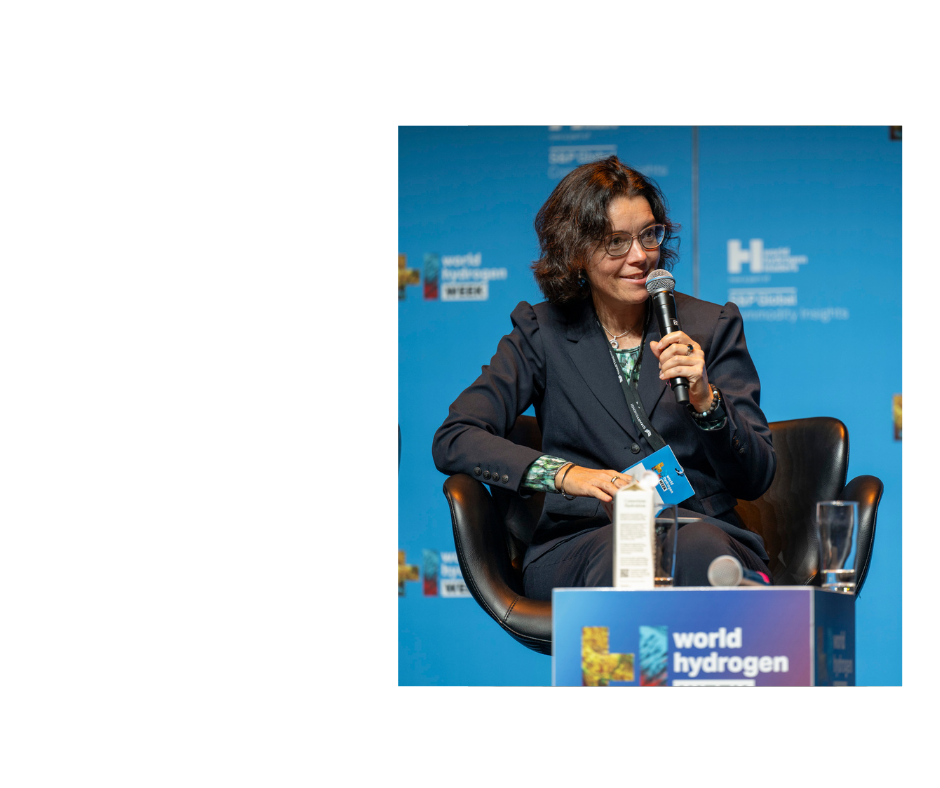
Julie Mougin
Meet Julie Mougin, a leader driving hydrogen innovation as Deputy Director for Hydrogen Technologies at CEA in Grenoble, France! Julie is an electrochemist with a PhD in materials science. Her work mainly focuses on electrolysis and fuel cell technologies, from materials to systems, and she is author or co-author of more 65 publications in reviewed scientific journals (115 in total), five book chapters, and seven patents. She has been active in the hydrogen field for more than 20 years.
Her leadership roles span Europe and beyond. She is a Board Member of Hydrogen Europe Research, Technical Committee Leader for Hydrogen Production at the Clean Hydrogen Partnership, Chair of the H2-Val Working Group at the OECD-NEA, French delegate in the IEA Hydrogen Technical Committee Programme.
Julie joined CEA twenty years ago, focusing on high-temperature solid oxide electrolysis. She has witnessed hydrogen technologies grow from laboratory research to large industrial deployment, becoming a key pillar of European and national decarbonisation strategies, thanks to the support of the research and industry sector, and the continued strategic and financial support of the European Commission, in particular through the Clean Hydrogen Partnership.
In 2025, Julie received the “Woman in Hydrogen Innovation” award from the Clean Hydrogen Partnership. On that occasion, she highlighted the importance of women contributing at all levels to advance hydrogen worldwide. Check out the full interview below!
You have been leading the Hydrogen Technologies activities at CEA for many years now. Could you share what aspect of your work brings you the most joy? What makes you say “yes” to a new project, task, or responsibility?
I like challenges, and developing hydrogen technologies, which still need to be improved or matured, still offer a lot of challenges that are highly motivating. In our field, it is possible to perform unique developments and experiments, to be pioneers in a field that matters for society. It is highly motivating for researchers like me.
What initially inspired you to pursue a career in hydrogen research, and what currently excites you most about this field?
“Hydrogen” was not a vocation, but materials science was. I very early wanted to understand why certain components had some properties, could break or not. That is why I decided to become an engineer in materials science. I did a very applied PhD on ferritic stainless steels used for automotive exhaust systems. The subject was at the crossroads of materials science, electrochemistry, and mechanics. I had the opportunity to carry out characterizations at the European Synchrotron Radiation Facility, to measure the behaviour of materials under very high pressure. It was an incredible experience — I think that was the moment I realised that in research, there is truly the opportunity to do exceptional things.
After my PhD, I joined an industrial research centre, still in the field of steel, and I contributed to developing steel grades with advanced corrosion and mechanical properties for the automotive and oil and gas markets. I had contacts at the CEA who informed me about a job opportunity as a European project manager in the field of hydrogen and fuel cells. I was interested in the subject, as well as in the European project environment. The CEA seemed to me the ideal research setting: applied research with excellent research facilities that you don’t find elsewhere, and with stakes that were more significant than in industry, particularly societal and environmental, particularly with the development of clean energies, which were meaningful for me. I applied and was selected. After 20 years, I still think I made the good choice to select the field of hydrogen technologies 😊.
What accomplishment(s) are you most proud of? Why?
The development of Solid Oxide Technology, which operates at high temperature (> 700°C) to produce hydrogen at high efficiency. I had the chance to join CEA at the onset of the development of the high-temperature solid oxide electrolysis technology. And when I look over my shoulder, I can see how many achievements we have obtained since the beginning. On this technology, specifically, of course, because we started from the materials and manufactured small cells only at that time, and now we are designing large stacks and modules and operating them for thousands of hours. From an industrial point of view, CEA has transferred its technology to the Genvia company. Genvia’s CEO, Florence Lambert, always says that I am the mother of the technology, and when I saw the first stack produced in the Genvia factory under the careful eyes of our French president, it was a special, touching moment for me.
Can you share a significant challenge you faced in your career and how you overcame it?
When we developed the technology at the very beginning, we faced many challenges. When we tested the stacks, we often faced some unexpected loss of performance, of tightness,…
These challenges have been overcome by teamwork, since many physics are involved in these phenomena, and we need many skills (mechanics, electrochemistry, material science, fluidics, thermodynamics) that could be gathered from the different members of the team. It has also required a lot of commitment from the team: we never gave up.
In your experience, do you think women have the same chances to succeed in the field as men have? Why yes, or why not?
Yes, at CEA, we have a lot of women working in the field of hydrogen technologies, bringing key competencies for the different technology developments, the testing activities and the projects.
What advice would you give to young women considering a career in hydrogen research or STEM fields in general? What would you say to your own young self just starting out?
Do not doubt yourself and your capacities to realise big things. Especially in the field of hydrogen technologies, where discoveries are still possible and even expected, everything is possible. You just need to dare and believe it is possible.

Mariya E. Ivanova
Meet Dr.-Ing. Mariya E. Ivanova, a dynamic leader driving innovation in hydrogen technologies!
Mariya leads Technology Development at the Center of Excellence for Hydrogen Technologies – H2Start, Trakia University, where she oversees cutting-edge research infrastructure, technology roadmaps, and innovation projects across the hydrogen value chain. Her expertise in protonic ceramics and electrochemical devices supports advances in hydrogen production, purification, storage, and utilization, positioning H2Start as a pan-European hub for sustainable energy innovation.
In addition, Mariya serves on the Scientific Council of the Bulgarian Hydrogen, Fuel Cell, and Energy Storage Association and as an Expert for Hydrogen Programs at the European Commission, helping shape national and European hydrogen strategies and advancing hydrogen technologies. Passionate about voice equality and ethical leadership in science, she is a committed ally against mobbing, discrimination, misogyny, and power abuse, while pioneering the next generation of clean hydrogen solutions.
Take a look at the full interview below to find out more about Mariya’’s career path, leadership philosophy, and commitment to hydrogen!
You are a scientist and technology development manager involved in various activities. Could you describe your role and what you do in more detail? What drove you to pursue this path and what do you like about it?
I navigate the intersection of science and strategy as both a scientist and technology development manager, blending rigorous technical expertise with visionary leadership. With a foundation in chemical engineering and a PhD in material science, I design experiments, decode complex phenomena, and advance innovative research in ways that connect fundamental science with real-world applications. Complementing this, my business management background allows me to orchestrate teams, align resources with long-term goals, and ensure projects are executed with clarity, efficiency, and impact.
I was drawn to this path because it offers the rare fulfillment of combining curiosity with impact -tackling intricate scientific questions while transforming ideas into solutions that matter. What I cherish most is this harmony between exploration and execution: the excitement of discovery, the reward of guiding projects to fruition, and the privilege of knowing that our work contributes to meaningful progress in science and society.
You’re involved in so many different activities – could you share what part of your work brings you the most joy? What makes you say “yes” to a new project, task, or responsibility?
What brings me the greatest joy is weaving together ideas, people, and resources to create meaningful and lasting outcomes. I find fulfillment in nurturing innovation, guiding projects with care, fostering genuine collaboration, and watching ideas blossom gracefully into real innovative solutions. I say ‘yes’ to opportunities that inspire growth, spark curiosity, or allow me to contribute to something truly impactful – it’s the blend of challenge, creativity, and purpose that draws me in.
What initially inspired you to pursue a career in hydrogen research, and what currently excites you most about this field?
My journey into hydrogen research was first inspired by its immense potential to contribute to a sustainable energy future, allowing me to unite my passion for material science with the mission of addressing one of the world’s most urgent challenges. The promise that advanced research can create real environmental and societal change drew me in and continues to fuel my dedication. What excites me most today is the feeling that we’re no longer just imagining possibilities – we’re turning them into reality. The pace of innovation is incredible, and each breakthrough, whether in novel materials, efficient storage, or integrating hydrogen into energy systems, feels like another step toward a more sustainable future. It’s inspiring to see how science, engineering, and strategy converge to shape a future we can all believe in.
What accomplishment(s) are you most proud of? Why?
One of the accomplishments I am most proud of is establishing a recognized presence in protonic ceramics, where my research in material science and hydrogen has contributed to meaningful advances for the broader scientific community. Equally fulfilling has been witnessing the success of my group, whose creativity, dedication, and collaboration have brought ambitious ideas to life, including winning projects in highly competitive programs. Beyond the professional achievements, mentoring the next generation of researchers and seeing their growth has been deeply rewarding. On a personal level, being a mother of two has taught me patience, balance, and the quiet joy of nurturing growth – lessons that continue to enrich both my work and daily life.
Can you share a significant challenge you faced in your career and how you overcame it?
A significant challenge in my career was navigating a work environment where unethical practices and a toxic leadership undermined professional growth and threatened the integrity of scientific research as a whole. Facing and responding to these prolonged hardships required courage to challenge an outdated hierarchical power structure, self-discipline to stay focused on priorities despite hostility, and a steadfast commitment to my values. I focused on maintaining the quality and rigor of my work, supporting colleagues, and advocating for transparency, integrity, and ethical standards. This experience strengthened my resilience, sharpened my leadership skills, reinforced my principles and taught me the power of maintaining professionalism and empathy even in difficult circumstances.
In your experience, do you think women have the same chances to succeed in the field as men have? Why yes, or why not?
Women have not only the talent and capability to succeed in science and technology, but they also bring a strong professional background, combined with unique perspectives that elevate approaches and spark innovation. Women contribute empathy, collaboration, and creative thinking that transforms challenges into opportunities. However, I believe success should be determined by talent, dedication, and collaboration rather than gender, background or position. Creating supportive, inclusive, and merit-driven environments is essential to enabling everyone to thrive. Progress flourishes when knowledge is shared, opportunities are fostered, and individuals are supported to contribute meaningfully, building a culture of ethics and respect where everyone can truly excel.
What advice would you give to young women considering a career in hydrogen research or STEM fields in general? What would you say to your own young self just starting out?
I would tell young women considering a career in hydrogen research or STEM to know their value and never doubt their worth. These fields thrive on bold ideas, innovation, and diverse perspectives – your unique vision and approach are essential. Keep learning, work both hard and smart, embrace challenges, and take risks – these experiences will shape you professionally and personally in ways you can’t yet foresee.
To my younger self, I would say: be fearless in the face of hardships, stay true to your values, and never lose yourself because of what others say or think. Remember that even in the toughest moments, perseverance, integrity, and a hunger to learn will open doors beyond anything you can imagine. Looking back from today’s perspective, I know this guidance would have been invaluable.
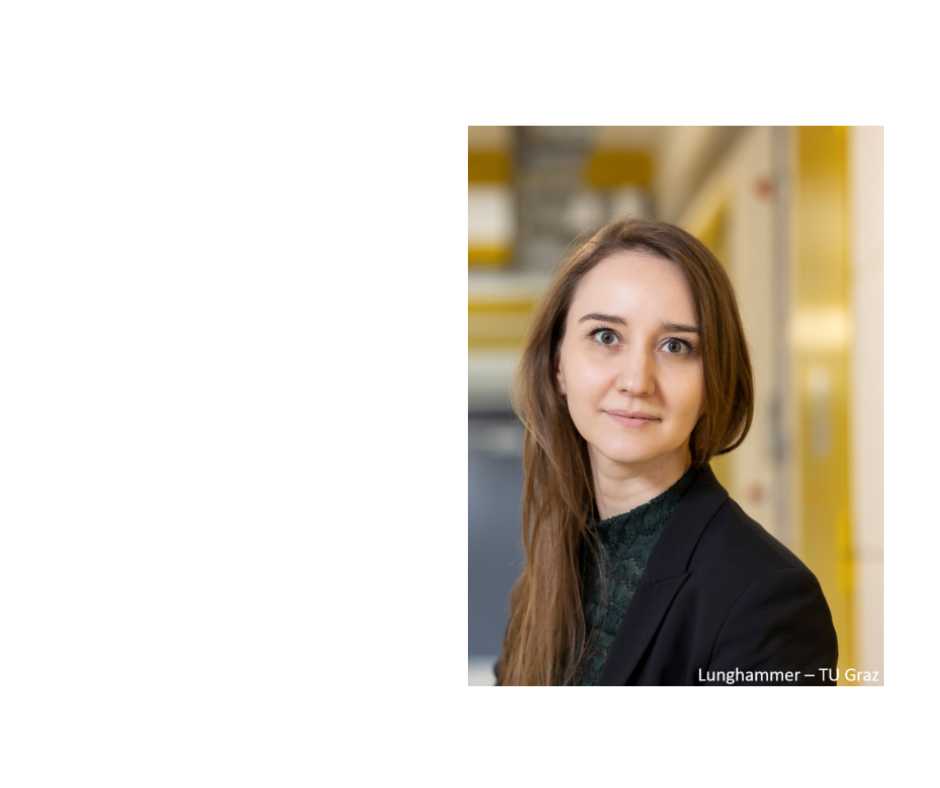
Merit Bodner
Merit Bodner’s professional journey shows the many paths a career in hydrogen research can take. After earning her PhD at Graz University of Technology, she gained valuable experience abroad in the industry sector, exploring new challenges and broadening her expertise. Her passion for fundamental research eventually led her back to academia, where she integrates hands-on industry knowledge with innovative research in hydrogen.
As a professor and researcher, Merit leads her team with dedication and enthusiasm, celebrating both her own achievements and the growth of her students. Her work has been recognized with the Hydrogen Europe Research Young Scientist Award in 2022, reflecting her commitment to advancing hydrogen technologies.
Merit emphasizes the importance of diversity in hydrogen research. She believes that the field requires a wide range of perspectives, from different genders, backgrounds, and experiences, to develop innovative and effective solutions. Women play a key role in shaping the future of hydrogen, and every perspective is needed to tackle the complex challenges of the sector.
Merit encourages young researchers to embrace STEM as a space full of opportunities. She believes in trusting your skills, exploring different paths, and using the abilities you develop to open doors – whether behind a computer, collaborating with others, or taking a creative approach. For her, the journey may have challenges, but pursuing growth is always worthwhile.
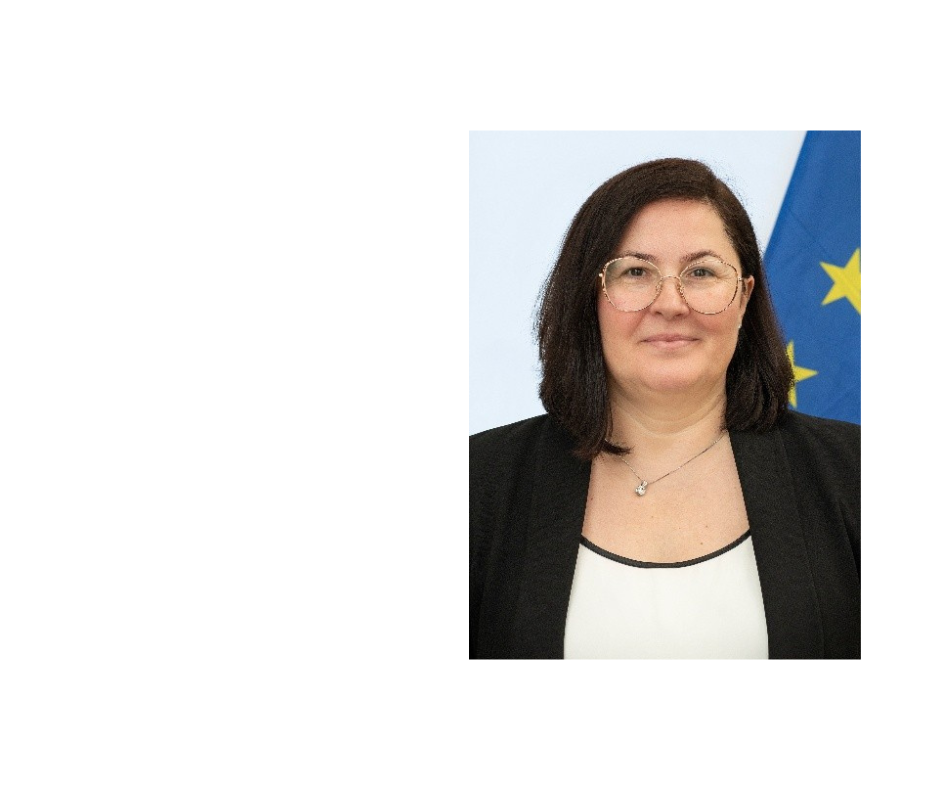
Mirela Atanasiu
Mirela Atanasiu, Head of Unit for Operations and Communications at the Clean Hydrogen Partnership, has built her career around a passion for discovery, science, and creating impact. Originally a chemical engineer from Romania, she began in hands-on research, always fascinated by how things work. Her path took her to Brussels as a national expert, where she could engage in a truly international environment and contribute to Europe’s energy transition.
What excites Mirela most in her role at the Clean Hydrogen Partnership is the opportunity to influence beyond individual projects, supporting an entire community of researchers and industry players. She takes pride in seeing innovative ideas turn into real-world solutions, from pilot projects to large-scale Hydrogen Valleys, and values the collaboration and expertise of her talented team.
Mirela is also a strong advocate for diversity and inclusion. She emphasizes that women bring unique perspectives and excel in managing complex, multitasking environments. While progress has been made in the past twenty years, she stresses the importance of continued support for the next generation of women in STEM, along with flexible and supportive work environments that allow everyone to thrive.
Check out the full interview below to discover more about Mirela’s career, leadership, and passion for hydrogen!
You have been with the Clean Hydrogen Partnership for a quite some time now and you have moved away a bit from doing research yourself – what excites you most about your role and which aspects of it bring you the most joy? If you were able to travel back in time and tell your young self that you’d be Head of Unit Operations and Communications, would she believe you? Why yes/why no?
Thank you for this interesting question, which really takes me down memory lane. As a chemical engineer, I have always been fascinated by science. Even as a child, I was intrigued by discovery and by how “things work.” Back then, the idea that I would one day live and work in Brussels seemed very far-fetched, especially since my home country, Romania, only joined the EU in 2007.
I feel fortunate to have witnessed Romania’s accession to the EU, a real historic moment, and to have contributed to it in my own way. My European journey began as a national expert seconded by my government, and joining the so-called “Brussels bubble” has been an incredibly rewarding experience. It has allowed me to work in a truly international environment, alongside colleagues from all over Europe and beyond, exchanging ideas and tackling important energy challenges together.
What excites me most in my current role is the opportunity to create impact that goes beyond individual research projects which we are funding at the Clean Hydrogen Partnership. I am proud to see how our work empowers an entire community of researchers and industry players, and how our funding helps turn innovative ideas into competitive, real-life solutions. Working with such a talented team and engaging with stakeholders across Europe gives me both a sense of purpose and daily motivation.
If I could travel back in time and tell my younger self that one day I would be Head of Unit for Operations and Communications, I think I would be both surprised and proud. Surprised, because as a young engineer I would not have imagined moving from hands-on research to a leadership role within a European institution. But I would also believe it in myself, because curiosity, hard work, and a passion for learning have always been my driving forces.
What initially inspired you to pursue a career in hydrogen research?
To be honest, hydrogen was not the most obvious choice at the beginning of my career as a chemical engineer. Although hydrogen and electrolysis have been known for a long time, their real-world applications have gained considerable importance only in recent years.
When I started working at the European Commission, energy policy was increasingly focusing on unlocking hydrogen’s enormous potential in the transition towards a cleaner and more sustainable energy system. This vision inspired me. Through my work at the Clean Hydrogen Partnership, I am proud to contribute daily to making the entire hydrogen value chain and its various applications more affordable, more efficient, and more widespread.
What really attracted me was the fact that hydrogen holds so much untapped potential as an energy carrier. Given the global challenges we face today, hydrogen can play a key role in reducing emissions, ensuring energy security, and helping Europe become more energy independent. It feels meaningful to be part of this journey and to contribute to it on a daily basis.
What accomplishment(s) are you most proud of? Why?
I am very proud of having contributed to the significant progress and scaling up of hydrogen technologies over the past two decades. More than any single milestone, I am proud of how my expertise and dedication, along with the collective efforts of my colleagues, have helped shape the European hydrogen landscape into what it is today.
It is incredibly rewarding to see concrete results: from pilot projects to large-scale industrial applications in our Hydrogen Valleys, and to know that our work has paved the way for a greener and more resilient energy future. I am also proud of the great teams I have been privileged to lead and work with, their dedication and commitment inspire me every day.
In your experience, do you think women have the same chances to succeed in the field as men have? Why yes, or why not?
I would say: it depends. There are many factors at play, not all are directly linked to the workplace itself. In public institutions like our Joint Undertaking, we have clear equal opportunity policies, and throughout my career I have witnessed the remarkable talent and intelligence of both my female and male colleagues.
In leadership roles, I have also seen how teams truly benefit from diversity. Women often bring unique perspectives and excel at managing complex, multitasking environments, skills that are invaluable in our field.
However, statistics still show that women remain underrepresented, particularly in senior positions. The reasons are varied: a lack of visible role models, work–life balance challenges, especially around childcare or care for the elderly, and, in some cases, cultural expectations. This is why it is so important to foster flexible and supportive work environments that enable everyone to thrive, both professionally and personally.
I am very encouraged to see how much progress has been made. Compared to twenty years ago, there are significantly more women at the table today and it will only get better if we continue to support and empower the next generations concretely.
On a personal level, I make it my mission to encourage passionate and knowledgeable women I work with every day, and to give them – as well as my male colleagues – the flexibility they may need to balance their professional and family lives.
What advice would you give to young women considering a career in hydrogen research or STEM fields in general?
My advice is simple but sincere: Go for it! Don’t be discouraged by the fact that some technical fields are still male-dominated. Your expertise, your ideas, and your perspectives are needed more than ever.
Diverse teams are proven to be more innovative and effective, and women’s contributions are essential to solving the complex challenges we face in energy and technology today.
Moreover, careers in hydrogen often offer strong opportunities for growth, impact, and financial independence. So, believe in yourself, keep learning, and don’t be afraid to speak up and claim your seat at the table. It’s up to all of us to make the field more balanced and inclusive – and your voice can help shape that future.
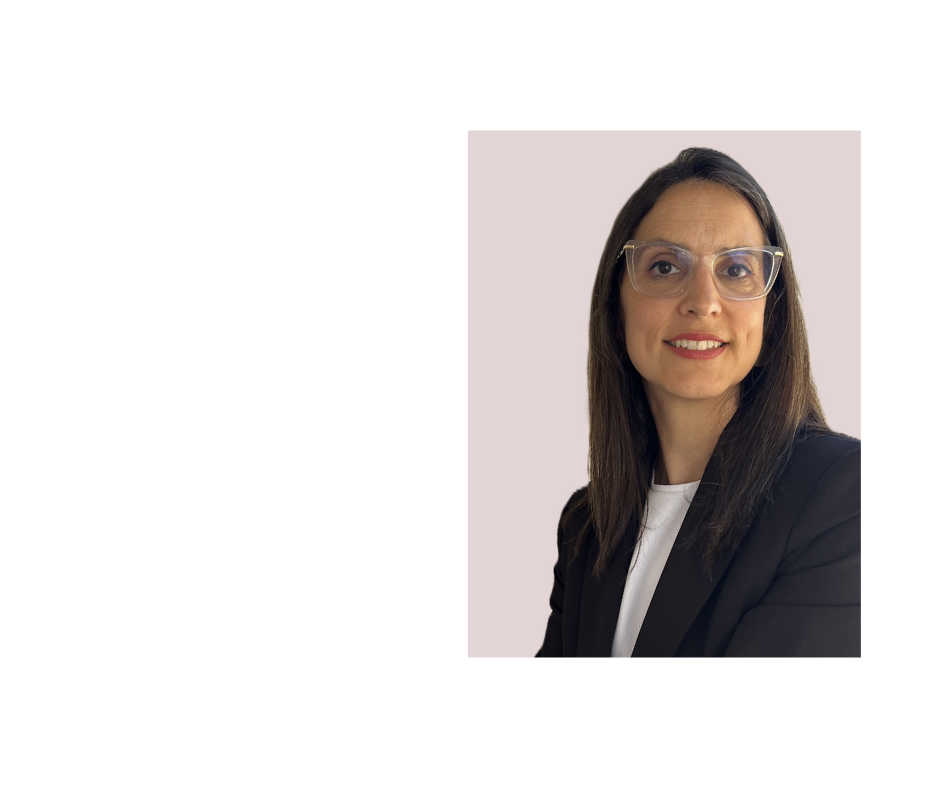
Beatriz Nieto
Curiosity, collaboration, and hands-on experience define the career of Beatriz Nieto, Head of the Engineering Unit at the National Hydrogen Centre (CNH2) in Spain!
With a strong background in industrial engineering, Beatriz leads projects that range from hydrogen-powered trains to green ammonia production and the decarbonisation of maritime ports. Since entering the hydrogen sector in 2009, Beatriz has played a key role in bridging research and industry, helping transform innovative concepts into practical solutions for the energy transition. Over the years, she has built strong collaborations, coordinated complex engineering tasks, and guided a team through periods of rapid growth and change.
Beyond her technical expertise, Beatriz is deeply committed to creating space for the next generation of talent. She values teamwork, mentorship, and diversity, encouraging young women in STEM to follow their curiosity and contribute to shaping the future of hydrogen.
Read the full interview below!
You are an industrial engineer and often work on commissioning facilities, but you also participate in R&D projects – this seems like an interesting mix of theory and “hands-on” work! Could you describe your role and what you do in more detail?
Commissioning facilities is often one of the tasks involved in the R&D projects I take part in, but it’s just one aspect of my broader responsibilities.
As of today, due to the position I hold, I am primarily focused on opening up new collaborations, and coordinating all tasks related to engineering development, commissioning, and start up, supported by years of hands-on experience in these areas. Throughout my professional career, I have worked on a wide variety of installations, and in recent years, they have all been linked to hydrogen technologies, which have allowed me to acquire the necessary knowledge and the expertise to effectively lead and coordinate the work of the team around me.
I am fortunate to lead an exceptional group of people who make day-to-day operations remarkably smooth and enjoyable. However, fieldwork remains incredibly appealing and interesting to me and I continue to participate whenever possible.
What inspired you to switch from renewables to a career in the hydrogen sector, and what excites you most about this field?
Since the early days of my professional career, I have been closely connected to the renewable energy sector. Before entering the hydrogen sector, I worked in the photovoltaic sector for two years. I started my “hydrogen journey” in 2009 because a friend of mine also started working there and sparked my interest for a new adventure, both challenging and exciting. At the time, I was unaware of all the applications that hydrogen could have and how important it would be in the coming years in the global energy context. Since then, I have had the opportunity to work with many fascinating professionals, learning invaluable insights from them. During this time, I also have also attended numerous congresses and workshops focusing on hydrogen advances, further enriching my skills and knowledge.
What accomplishment(s) are you most proud of?
One of the most rewarding aspects of my career has been the opportunity to drive meaningful change and contribute to shape a sustainable future. Being at the forefront of innovation allows you to witness first-hand the development of revolutionary technologies that can significantly impact energy systems and reduce carbon emissions. As an example, at CNH2 we have been part of projects for hydrogen-powered trains, green ammonia production and utilization, and maritime ports decarbonization.
Working in an environment that bridges academia and industry creates an incredibly dynamic space where meaningful breakthroughs occur. Knowing that our work contributes to a cleaner, more sustainable energy landscape not only motivates me but also inspires the talented team I lead. Recognitions like the Innovation Award recently received by CNH2 from the European Clean Hydrogen Partnership make turning ideas into pioneering projects even more rewarding.
Could you share a significant challenge you faced in your career and how you overcame it?
Throughout this time, I have faced many challenging moments, and the fact that we have been able to successfully complete all our work as a team is something I am truly proud of. For example, with the recent boom in the hydrogen technologies the increase on highly qualified personnel increased and most of my colleagues moved to the private sector. At that time the Engineering Unit I lead had three big projects plus some smaller ones, and I had to train a new team on very short notice. Thanks to their dedication and adaptability, we successfully completed all our projects. As the saying goes, ‘Teamwork makes the dream work’.
What are your observations regarding gender diversity in the field?
In my view, gender equality in the hydrogen sector is still far from being achieved, reflecting the reality of most STEM fields. Although the presence of women in technical roles is increasing, there is still considerable progress to be made. A clear example is the composition of discussion panels at international conferences, which are often predominantly male or have very limited female representation.
This is why it is crucial for women to make their work visible and actively support one another. Invisible barriers still exist, unrelated to professional competence, yet they continue to hinder women’s career progression.
What advice would you give to young women considering a career in hydrogen research or STEM fields in general?
STEM careers are the driving force behind innovation and progress. Young women with curiosity, creativity, and determination have the power to change the world. They must not let stereotypes limit their potential, as more and more women are making a significant impact in these fields. The talent and vision of young women can open new doors, break down barriers and lead to revolutionary solutions. Science and technology need diversity of ideas.
That is why I strongly encourage young women to explore hydrogen research, a fascinating field where they can contribute to the development of technologies that will shape a better future. Brilliant minds among young women must believe in themselves and get involved in hydrogen. By doing so, they will not only contribute to progress but also inspire the next generation of leaders.
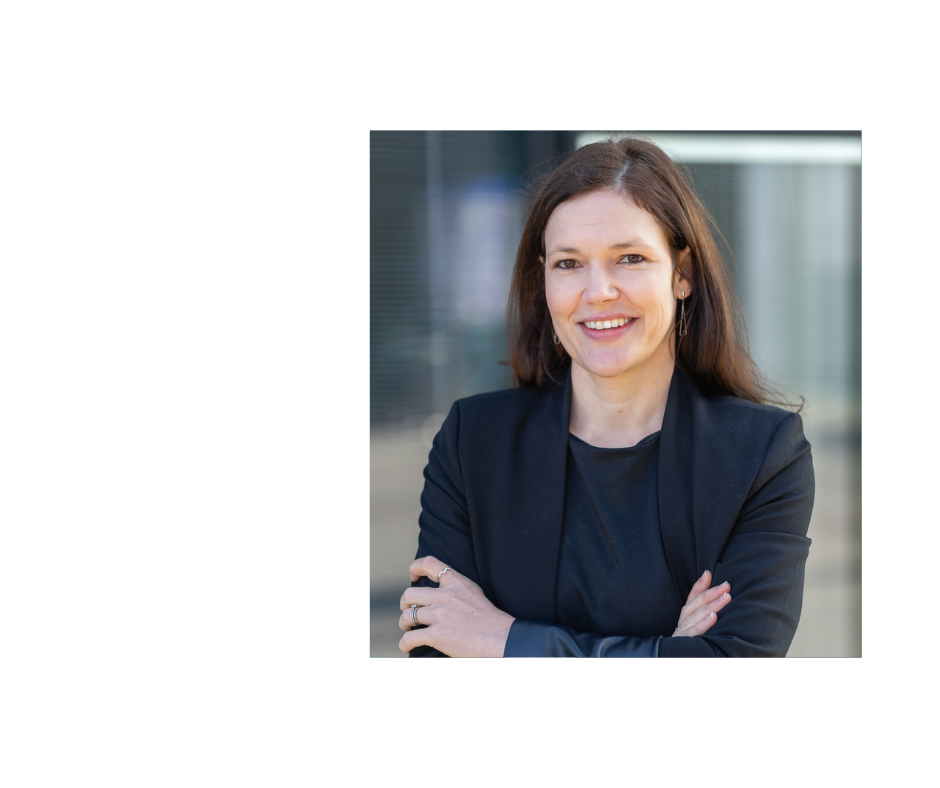
Marie-Gabrielle Macherhammer
Marie-Gabrielle Macherhammer, Area Manager for Electrolysis and Power to X at HyCentA in Graz, Austria, leads a dynamic team of 30 researchers dedicated to advancing low-temperature electrolyser technologies.
Their work covers research and development at the component, cell stack, and system levels. Marie’s role is to support the team in carrying out their research and in securing new projects, whether through national or international funding programmes, or bilateral collaborations with industry.
Her journey into this field was fueled by a desire to contribute to a sustainable, low-carbon future, which she finds deeply rewarding.
Previously in the sustainable packaging industry, Marie transitioned to hydrogen research to focus on groundbreaking technologies with tangible societal impact.
Over her six years at HyCentA, she has overseen the implementation of cutting-edge infrastructure, expanded her team from five to 30 members, and achieved significant advancements in hydrogen production efficiency, cost reduction, and longevity. Supporting students through their academic journeys is another accomplishment she cherishes, celebrating each completed bachelor’s, master’s, and doctoral thesis.
Despite the challenges of coming from a humanities-focused education to technical chemistry and chemical engineering, Marie credits hard work and a supportive community for her success.
As a strong advocate for gender diversity in STEM, she actively works to inspire young women by serving as a role model and participating in conferences and panels.
Her advice to aspiring women in STEM: believe in yourself, seek mentors, and pursue fields that resonate with your passions and purpose.
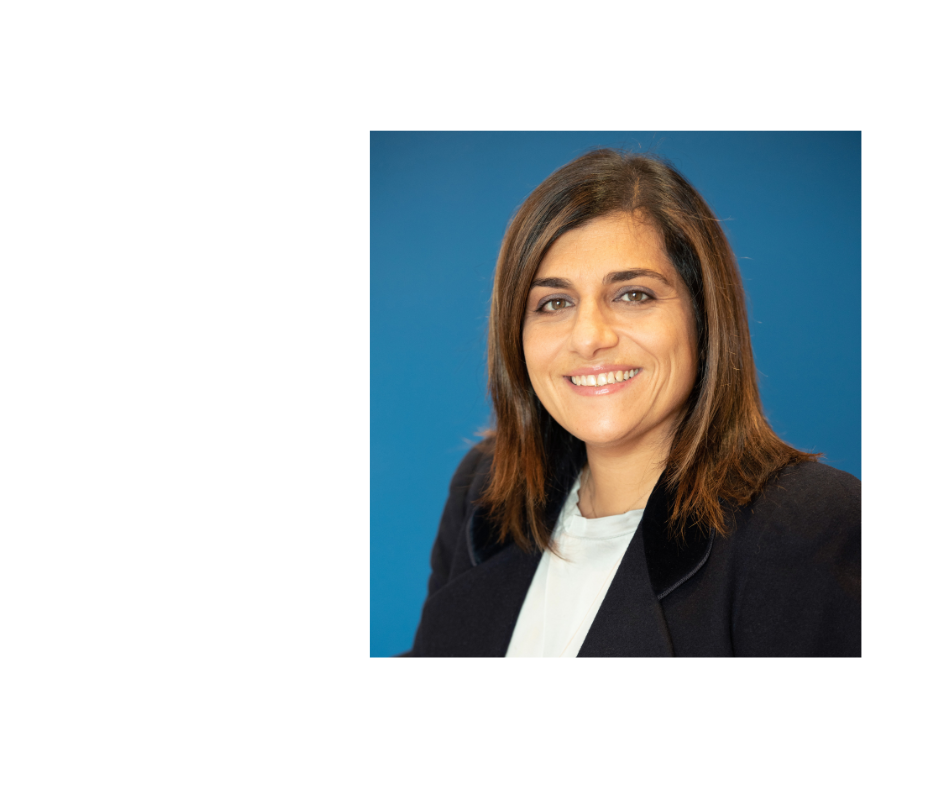
Viviana Cigolotti
Meet Viviana Cigolotti, a passionate leader dedicated to driving the energy transition!
Viviana is a leading voice in hydrogen research, making an impact through her work as Board Member at Hydrogen Europe Research and Head of Division Technologies and Vectors for Decarbonization at ENEA. She coordinates the European project ALRIGH2T, which develops and tests innovative technologies for refuelling liquid hydrogen aircraft in real airport conditions, helping to decarbonize the aviation sector.
In addition, Viviana serves as Chair of the IEA’s Technical Collaboration Programme on Advanced Fuel Cells, bringing together experts from over 20 countries to advance hydrogen research, development, and policy. Viviana’s journey is a testament to the power of perseverance, collaboration, and passion. Read the full interview below!
You’re involved in so many different activities – could you share what part of your work brings you the most joy? What makes you say “yes” to a new project, task, or responsibility?
What brings me the most joy is knowing that my work contributes directly to the decarbonization of energy systems and the reduction of environmental impacts in sectors such as transport, industry, and power generation. I’m driven by the opportunity to lead multidisciplinary projects where research translates into applied solutions — not just concepts, but tangible technologies that improve our collective future.
I choose to engage in new projects when they align with a clear scientific vision, offer real-world impact, and involve strong, multidisciplinary collaboration. One example is ALRIGH2T, a European project that I coordinate. It aims to develop and test innovative technologies and processes for refuelling liquid hydrogen aircraft in real airport conditions, paving the way for the decarbonization of the aviation sector. Working at the intersection of advanced research, system integration, and operational testing is where I find the most energy and purpose.
What initially inspired you to pursue a career in hydrogen research, and what currently excites you most about this field?
From the very beginning, I was inspired by hydrogen’s unique characteristics, as a clean, flexible, and storable energy carrier, capable of transforming how we think about energy production, storage, and consumption. Over the years, this early curiosity evolved into a deep commitment to advancing hydrogen and fuel cell technologies for real-world use.
Today, what excites me most is the momentum we’re seeing globally, across policy, industry, and research, to implement hydrogen as a pillar of the energy transition. I’m also proud to serve as Chair of the IEA’s Technical Collaboration Programme (TCP) on Advanced Fuel Cells, where we coordinate global efforts in research, development, benchmarking, and modelling of electrochemical energy conversion systems.
The TCP serves as a platform to align science, policy, and market development and I am honoured to guide this effort at such a critical time for energy innovation.
What accomplishment(s) are you most proud of? Why?
I’m particularly proud of my role in representing Italy within key international organizations such as Hydrogen Europe Research and the IEA. Being entrusted to coordinate complex international initiatives such as the IEA TCP on Advanced Fuel Cells, which brings together scientists, engineers, and policymakers from over 20 countries, is a major milestone.
These roles are not only about scientific leadership; they’re about building vision, fostering dialogue between disciplines and sectors, and translating shared goals into action. Being part of this global ecosystem of knowledge and innovation is a privilege, and I see it as a responsibility to represent both the scientific community and the broader public interest.
Can you share a significant challenge you faced in your career and how you overcame it?
One significant challenge has been balancing technical depth with the ability to lead large, diverse teams, especially in projects where engineering, policy, economics, and regulation intersect. Early in my career, I realized that scientific excellence alone was not enough; leadership requires clarity, empathy, and the ability to communicate across different cultures and expertise.
I overcame this by actively developing my communication skills and by listening to different perspectives. Creating trust among project partners, understanding institutional dynamics, and promoting common purpose have helped me turn challenges into opportunities for impact.
In your experience, do you think women have the same chances to succeed in the field as men have? Why yes, or why not?
Yes, I firmly believe that women have all the skills, knowledge, and vision needed to thrive in scientific and technological fields. In hydrogen research — as in many areas of STEM — talent, curiosity, and perseverance are what make the difference. We are increasingly seeing environments that recognize the value of diverse perspectives and inclusive leadership.
What’s important now is to continue building these inclusive cultures, to support role models, and to ensure that everyone, regardless of gender, has the opportunity to contribute fully. Women can and should be part of the change, and we all have a role in making this the norm, not the exception.
What advice would you give to young women considering a career in hydrogen research or STEM fields in general? What would you say to your own young self just starting out?
To young women I say: believe in your abilities. Be curious, ambitious, and surround yourself with people who value your voice. A career in science can take you far when driven by passion and resilience. To my younger self, I would say: don’t be afraid to take the lead. Keep learning, stay grounded in your values, and embrace every opportunity to grow, even when it feels uncertain. The path you’re on has meaning, and the impact you’ll create will be both lasting and worthwhile.
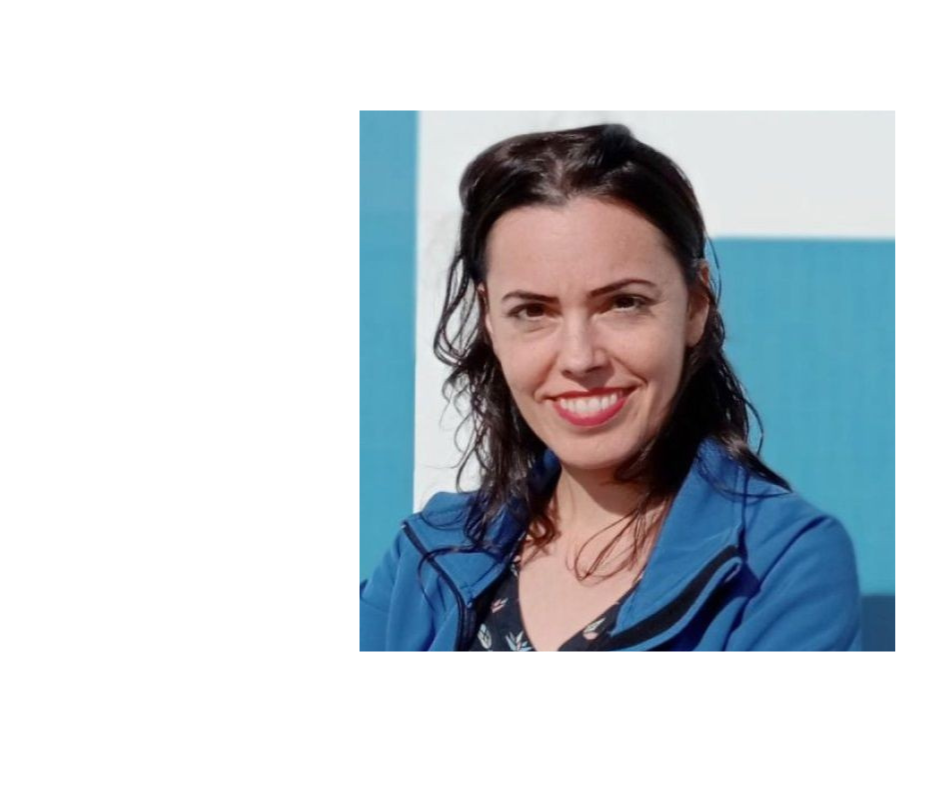
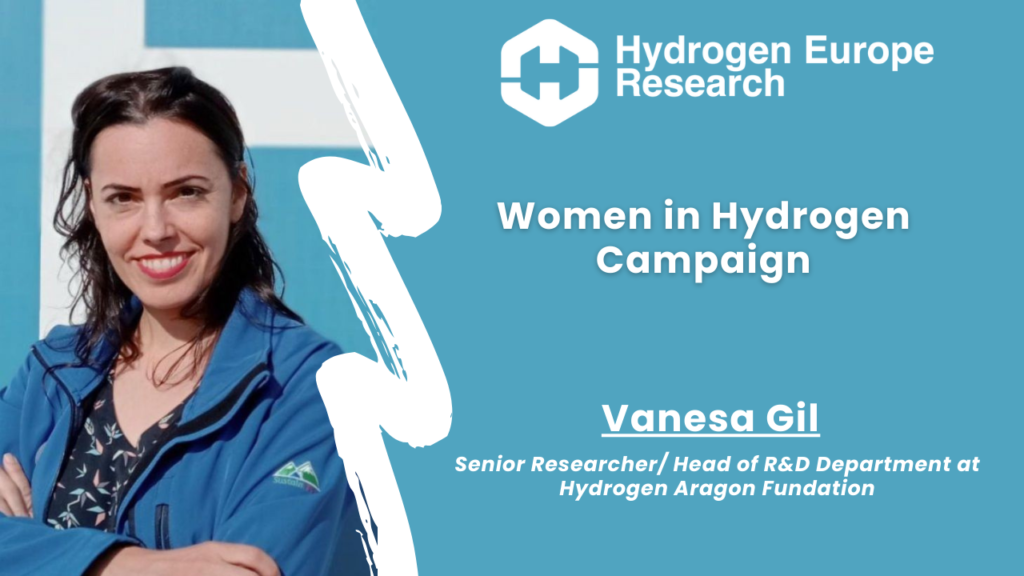
Vanesa Gil
With over two decades of experience in hydrogen technologies, Vanesa Gil, the Head of Research and Development at the Aragon Hydrogen Foundation, brings extensive expertise and a unique perspective to the field of hydrogen research. At the Aragon Hydrogen Foundation, she leads efforts to identify promising technologies, define research priorities, and define a clear direction connecting basic science and applied research. Building on a broad career across various institutions and countries, she integrates the best practices and lessons learned into her leadership, fostering a collaborative environment for her team.
As a senior researcher with ARAID – a local organisation dedicated to attracting international talent to the Aragon region – she engages in defining research trajectories and guiding projects.
One of the aspects she enjoys most is the opportunity to work as a researcher while collaborating closely with industry. She finds satisfaction in her ability to collaborate closely with industrial partners while contributing to the scientific community. The Aragon Hydrogen Foundation facilitates this synergy, serving as a bridge between academia, research centres, and industry, addressing gaps in technology development and implementation.
Hydrogen, for Vanesa, “was like love at first sight”. This enthusiasm has driven her career, inspiring her to explore and apply innovative solutions across various fields. One of her biggest accomplishments is the ability to pursue her professional goals while balancing her responsibilities as a mother – an accomplishment that highlights her belief that personal and professional goals can successfully coexist.
Throughout her career, she faced challenges, such as the common belief that research only takes place in universities. The Aragon Hydrogen Foundation is recognised by the Aragon government as an important research institution, and she has helped change the view of where important research can happen.
Diversity, in all forms, an important part of how Vanesa drives innovation. She emphasizes the importance of bringing together varied perspectives to tackle complex challenges, advocating for inclusion not only in terms of gender but across all dimensions of diversity.
For young women aspiring to careers in hydrogen research or related fields, her advice is to trust in your abilities, remain curious, stay committed, and pursue your dreams regardless of doubts or a lack of immediate role models.
Vanesa’s journey is an example of how passion and perseverance can lead to impactful contributions in science and technology! Watch Vanesa’s full video to get more insights!